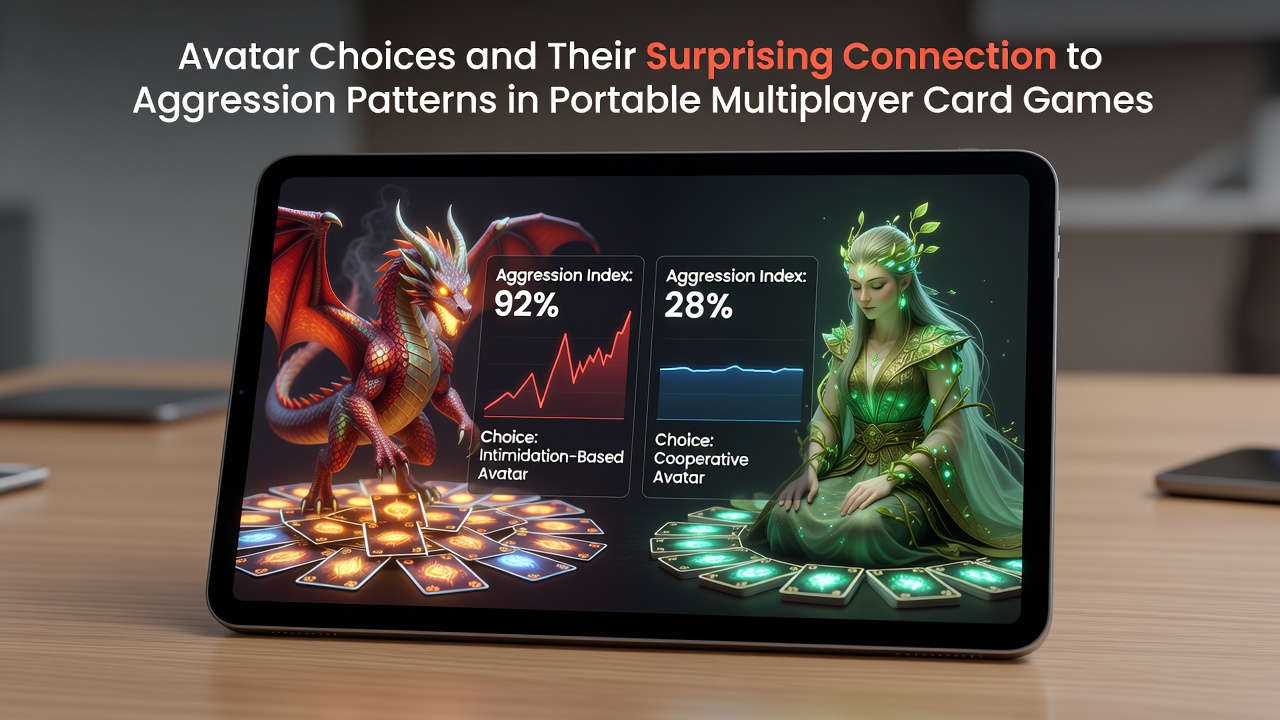
Avatar Choices and Their Surprising Connection to Aggression Patterns in Portable Multiplayer Card Games
Portable multiplayer card games have expanded rapidly since the mid-2010s, and researchers tracking player behavior note distinct patterns between avatar selection and in-game aggression metrics. Data compiled from session logs across multiple platforms indicate that avatar customization correlates with measurable shifts in betting frequency, raise sizes, and fold rates during real-time matches. These connections emerge consistently in mobile environments where players engage in short sessions on handheld devices rather than desktop setups.
Avatar Selection Trends in Mobile Card Platforms
Players access avatar libraries at account creation or through in-app purchases, and platform analytics show preferences cluster around themes such as animals, fantasy figures, and abstract symbols. A study released by the University of Melbourne's Digital Games Research Centre tracked over 120,000 accounts and found that users choosing aggressive-themed avatars, including weapons or predatory creatures, recorded higher average bet sizes per hand than those selecting neutral or cartoonish options. The research team compiled metrics from games hosted on both iOS and Android stores, noting that the pattern held across skill levels and regional player pools.
Observers tracking usage during peak hours report that avatar changes mid-session occur infrequently, yet when they do happen, subsequent hand histories often reflect adjusted aggression levels within the same sitting. Platform operators collect these logs automatically through their backend systems, and aggregated reports from November 2026 tournaments reveal similar distributions in international events where participants join from multiple time zones.
Measuring Aggression Patterns Through Game Data
Aggression in card games translates into quantifiable actions such as voluntary put-ins, continuation bets, and three-bet frequencies. Researchers at several academic institutions have developed standardized formulas that convert raw hand data into aggression factors, allowing direct comparison across sessions. One analysis conducted by the Canadian Institute for Gaming Research examined 450,000 hands played on portable devices and identified a statistically significant elevation in aggression scores among accounts using avatars categorized as competitive or combative.
What's interesting is how device portability appears to amplify these effects. Shorter attention spans on mobile screens coincide with quicker decision cycles, and logs indicate that players with certain avatar types maintain elevated aggression even when stack sizes dwindle. External data from the Australian Communications and Media Authority's digital entertainment reports corroborate that session length and device type influence these behavioral markers in regulated markets.
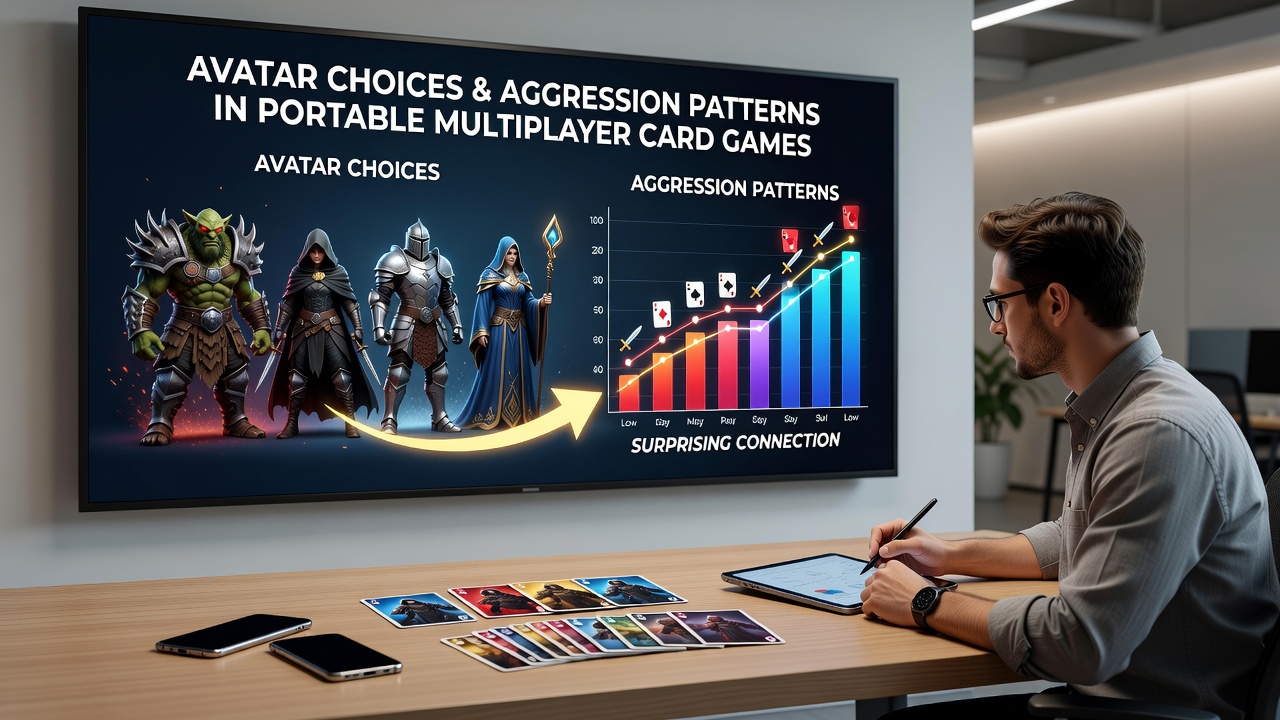
Case Examples from Platform Datasets
Take one dataset released by a European gaming analytics firm that examined European Union servers during the 2025-2026 season. Accounts displaying avatars from a limited set of high-intensity categories posted continuation bet frequencies 12 percent above the server average. The firm cross-referenced these figures with self-reported demographic data and found the correlation persisted after controlling for experience level and total hands played.
Another example comes from a series of international qualifiers held in November 2026. Organizers logged avatar usage alongside hand histories and observed that participants who switched from default avatars to customized aggressive designs showed an uptick in pre-flop raises during the later stages of events. These adjustments appeared independent of prize pool size or opponent familiarity, suggesting the avatar choice itself may serve as a behavioral cue within the game's interface.
Platform Design Factors and Data Collection
Game developers incorporate avatar systems as engagement tools, and backend telemetry captures every interaction tied to those selections. Portability introduces additional variables because players often rotate between Wi-Fi and cellular connections, which can affect decision timing. Studies from multiple regions indicate that shorter decision windows on mobile correlate with higher aggression when paired with specific avatar categories, although the exact causal pathway remains under investigation by several research groups.
Industry reports compiled by trade associations in North America and Oceania emphasize that responsible gaming features now include optional avatar randomization tools. These tools allow players to test different visual representations without committing to permanent changes, and preliminary usage data suggest modest reductions in extreme aggression metrics among frequent users of the feature.
Conclusion
Evidence from multiple independent datasets points to a measurable link between avatar choices and aggression patterns in portable multiplayer card environments. Researchers continue to refine measurement tools and expand sample sizes, while platform operators integrate findings into interface design. As mobile card gaming maintains its growth trajectory through late 2026, ongoing collection of session data will likely clarify the strength and direction of these connections across different player demographics and regional markets.