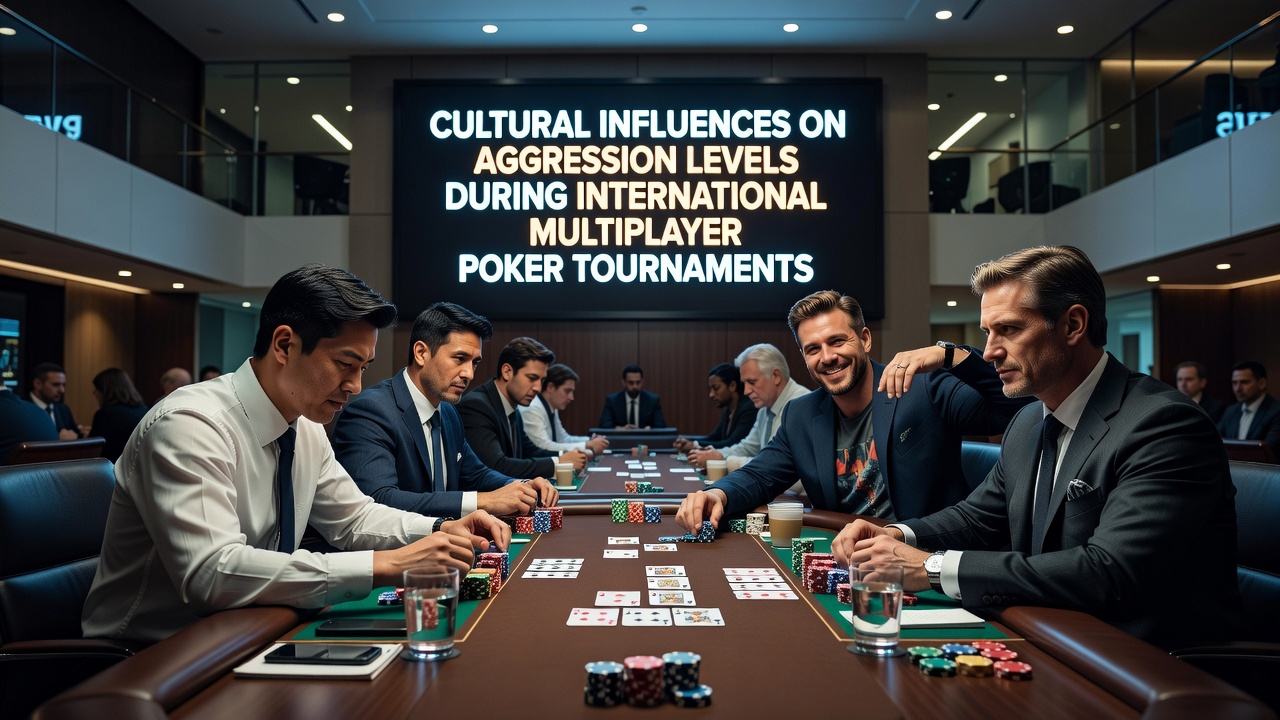
Cultural Influences on Aggression Levels During International Multiplayer Poker Tournaments
International multiplayer poker tournaments bring together participants whose cultural backgrounds shape how they express aggression at the table, and observers note distinct patterns in betting frequency, bluff rates, and physical tells that align with broader societal norms. Research from academic institutions across multiple continents documents these variations through observational studies and player interviews conducted during major events.
Regional Patterns in Betting Behavior
Players raised in East Asian cultures often display lower visible aggression in early tournament stages, favoring smaller bets and fewer raises compared with counterparts from North American or European regions, while data from tournament tracking software shows these groups compensate with increased aggression during later rounds when stack sizes allow for higher risk tolerance. Studies conducted by researchers at the University of Sydney reveal that participants from high-context communication societies rely more on reading subtle opponent cues rather than overt confrontation, which results in fewer three-bet situations early on but produces sharper swings once tables shrink.
European participants, by contrast, demonstrate steadier aggression metrics throughout multi-day events, and figures from the European Gaming and Betting Association indicate consistent raise percentages across cultural subgroups within the continent. Observers at events held in October 2026 noted that players from Mediterranean countries maintained higher continuation bet frequencies even after missed flops, whereas those from Northern Europe adjusted more conservatively when facing multiple opponents.
Body Language and Cultural Display Rules
Cultural display rules govern how aggression manifests beyond chip movements, and tournament footage analysis demonstrates that players from Latin American backgrounds tend to use more animated gestures during confrontations, while East Asian players maintain neutral expressions that mask both strong hands and bluffs. These differences create interpretive challenges for opponents who must decode signals through their own cultural lenses, leading to misreads that alter aggression levels in subsequent hands.
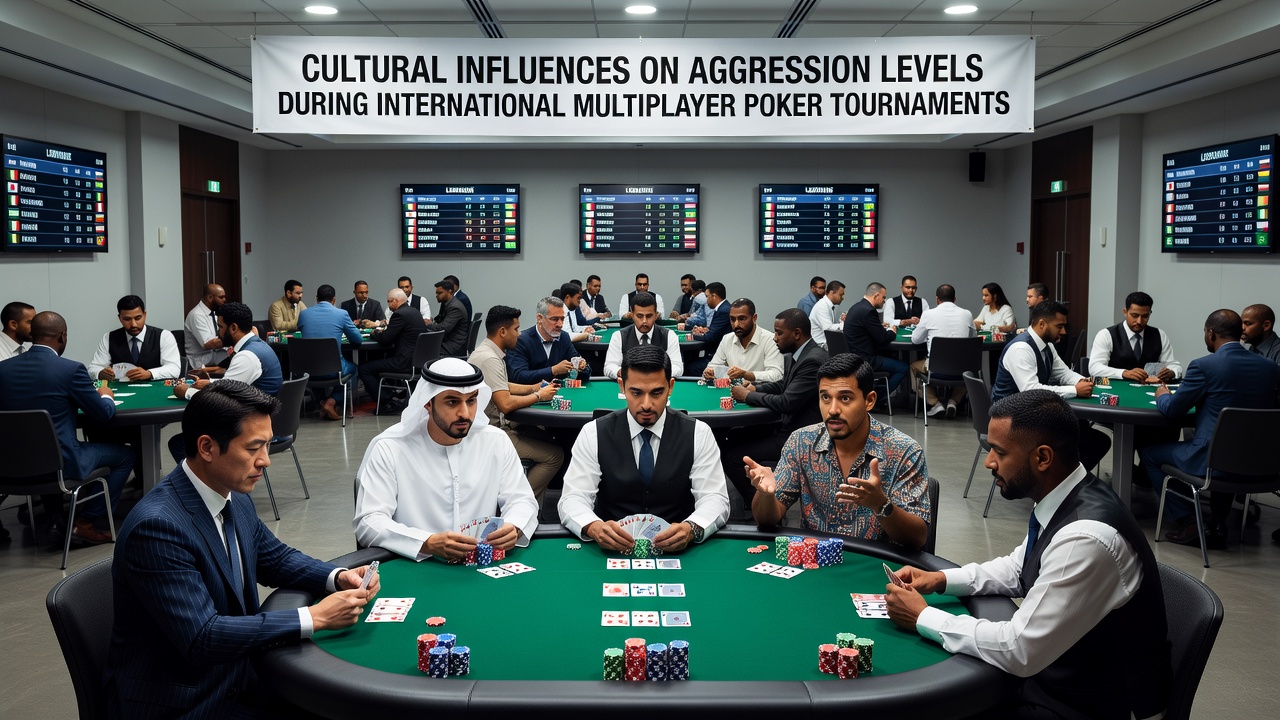
North American players frequently employ verbal table talk as an aggression tool, according to records from the Canadian Centre on Substance Use and Addiction, whereas players from many Asian countries avoid direct speech during hands. This divergence affects how table dynamics evolve, since verbal aggression can provoke reactions that escalate betting wars, while silent approaches maintain steadier pot sizes until decisive moments arrive.
Impact of Tournament Structures on Cultural Expression
Blind structures and payout distributions interact with cultural tendencies, and data collected during the 2026 international circuit shows that faster structures amplify aggression differences because time pressure reduces opportunities for cultural adaptation. Players accustomed to slower, relationship-oriented decision-making environments experience compressed windows for adjusting their usual styles, which produces measurable spikes in both successful and failed aggressive plays.
Team-based formats sometimes appear in satellite qualifiers feeding into main events, and these structures highlight collectivist versus individualist approaches, with groups from certain regions coordinating aggression levels to protect shared interests while others pursue independent strategies regardless of team context.
Adaptation and Cross-Cultural Learning
Experienced participants who compete regularly across borders develop hybrid styles that blend elements from multiple cultural approaches, and tracking data indicates these adaptable players achieve more consistent aggression metrics than those who retain rigid patterns. Tournament organizers in October 2026 events provided cultural awareness briefings that addressed common misinterpretations, which reduced friction arising from mismatched expectations about acceptable table behavior.
Statistical models built from hand histories demonstrate that cultural background accounts for a measurable portion of variance in aggression frequency, though individual personality traits and experience levels exert stronger influence overall. Regulatory bodies in Australia and Canada have funded research examining these intersections to inform responsible gambling initiatives that account for diverse participant profiles.
Conclusion
Cultural influences on aggression levels persist across international poker tournaments because they stem from deeply rooted communication norms and social expectations that players bring to the table. Data from multiple geographic sources continues to document these patterns, while adaptation strategies emerge among frequent competitors who navigate mixed fields. The interplay remains evident in events scheduled through late 2026, where observers record ongoing variations in how aggression surfaces depending on participants' cultural origins.