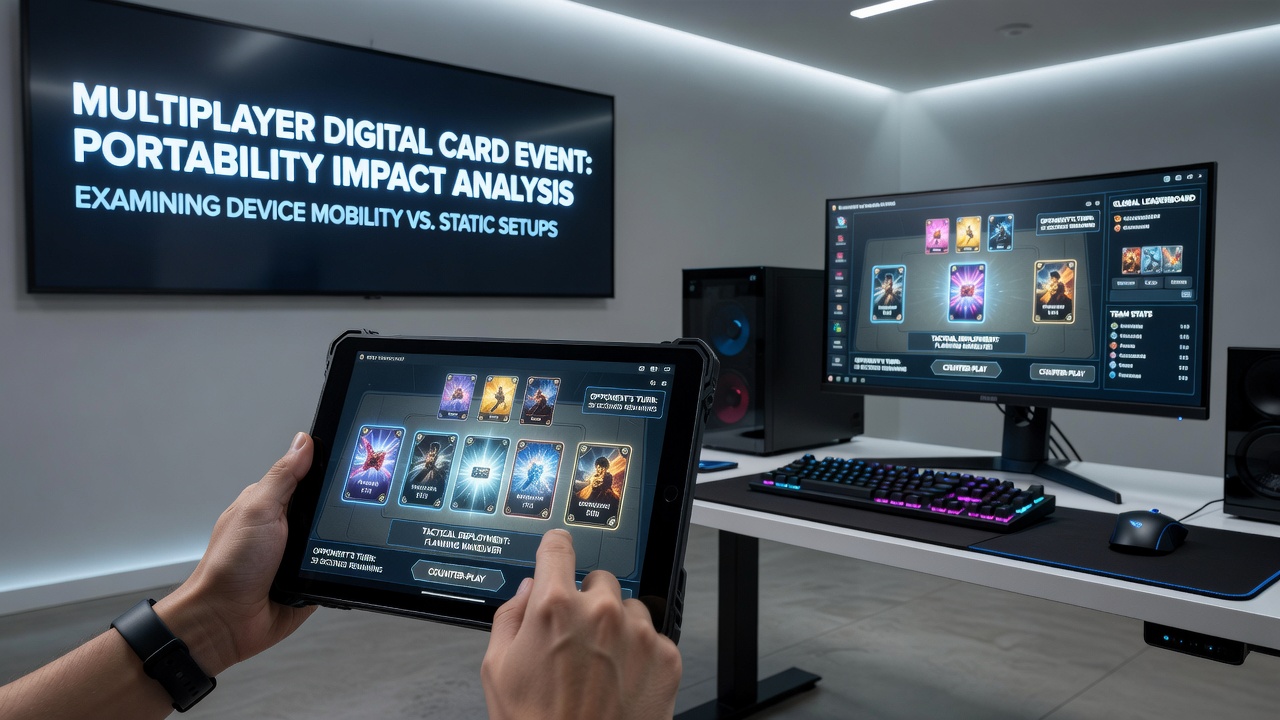
Examining How Device Portability Influences Tactical Choices in Multiplayer Digital Card Events
Device portability has reshaped participation patterns in multiplayer digital card events, where users switch between smartphones, tablets, and laptops while navigating real-time matches that demand quick adjustments in strategy. Data from global gaming platforms indicates that mobile access now accounts for over 60 percent of session starts in competitive card formats, leading participants to refine their approaches based on screen size, input methods, and session length. Observers note that these shifts appear most clearly during extended tournaments, where connectivity stability and interface constraints directly affect move selection and risk assessment.
Platform Variations and Their Effects on Play Patterns
Portable devices introduce distinct variables compared to fixed desktop setups, including touch-based controls that replace mouse precision and smaller displays that limit simultaneous visibility of multiple game elements. Research conducted by the Australian Interactive Games Association reveals that mobile users in digital card competitions tend to favor conservative opening moves because limited screen real estate reduces the ability to track opponent patterns across multiple tables at once. Yet players on tablets often maintain broader hand ranges since larger touch surfaces support faster card manipulation without the same precision loss seen on phones. These differences compound when events span several hours, prompting participants to alternate devices mid-session to sustain focus.
Decision Timing and Environmental Factors
Portability enables play from varied locations, which in turn alters how competitors manage timing and distraction levels. Studies tracking user behavior during September 2026 tournaments found that sessions initiated on mobile networks showed 18 percent shorter average decision windows than those started on stable home Wi-Fi connections. Players frequently cite notification interruptions and variable signal strength as reasons for pre-committing to simpler tactics, such as folding marginal hands earlier than they might on a desktop interface. Data indicates these patterns hold across regions, with similar trends documented in North American and European markets where mobile tournament entries continue to rise.
Adaptations in Multiplayer Interaction
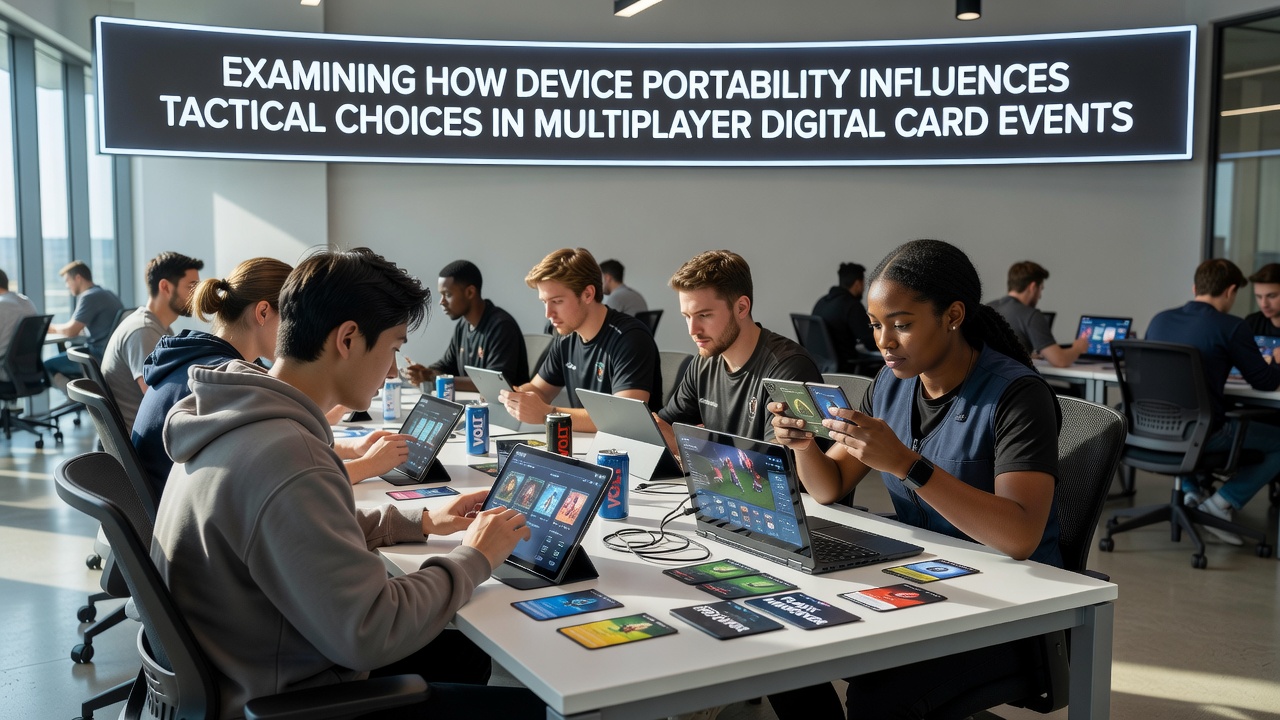
Multiplayer dynamics shift when participants rely on portable hardware because chat functions and table observation tools become harder to monitor continuously. Those competing via phone often limit table talk or pre-set automated responses to conserve attention for core gameplay mechanics. Figures from the Canadian Centre for Gaming Research show that mobile participants in large-field events adopt tighter positional awareness strategies, folding more frequently from early seats to offset reduced ability to gather real-time reads on opponents. Tablet users, by contrast, demonstrate greater willingness to engage in light table talk, correlating with larger visible interfaces that keep ancillary features accessible without disrupting primary focus.
Longer Events and Sustained Performance
Extended competitions highlight further distinctions tied to device type, as battery life and heat management influence how long individuals maintain peak decision quality. Tournament logs from late 2026 events demonstrate that phone-based entrants average shorter overall play durations before switching platforms or exiting, which encourages them to accelerate aggression in later stages to maximize shorter sessions. Researchers tracking these behaviors note that such adjustments appear consistently across skill brackets, with even experienced competitors modifying their standard lines when portability limits continuous engagement.
Conclusion
Device portability continues to drive measurable changes in how competitors approach multiplayer digital card events, from initial hand selection through endgame pressure. Platform-specific data collected across multiple regions confirms that interface constraints and mobility factors prompt systematic tactical refinements rather than random variation. As participation grows, these patterns provide clear indicators for how future event structures might accommodate diverse hardware preferences while preserving competitive balance.