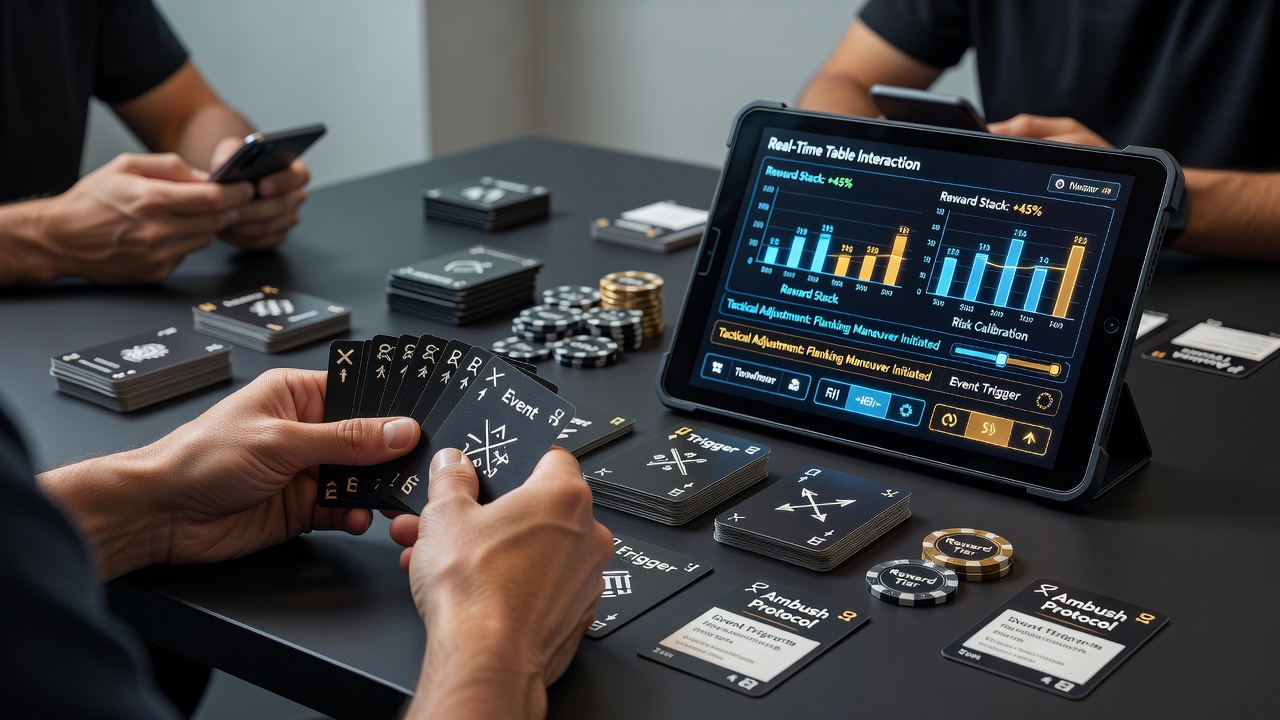
Tactical Adjustments in Pocket-Sized Card Events Where Stacked Rewards Meet Real-Time Table Interactions
Players in mobile card competitions face constant pressure to recalibrate their approaches when multiple reward layers activate during live sessions, and this dynamic becomes especially pronounced on compact screens where every decision registers instantly at the virtual table. Data from industry monitoring services shows that participation in these formats rose steadily through mid-2026, with September marking a notable uptick in session lengths as users responded to overlapping incentive structures. Observers note that real-time feedback loops force participants to weigh immediate table actions against accumulating bonus thresholds, creating a distinct set of tactical considerations that differ from traditional formats.
Core Mechanics of Layered Incentives and Live Play
Stacked reward systems typically combine entry bonuses, streak multipliers, and achievement-based payouts that update continuously while players remain seated at active tables, adn these elements intersect directly with chat functions, timer alerts, and opponent movement data displayed on the same device. Research conducted by academic groups tracking digital gaming patterns indicates that users modify bet sizing and fold frequencies when reward meters approach completion thresholds, particularly during late-evening sessions when mobile traffic peaks. The interplay appears most visible in formats where participants can toggle between multiple tables, because each additional window carries its own incentive counter that refreshes in real time.
Those who study these environments report that device constraints further shape responses, since smaller displays limit simultaneous visibility of all active rewards and table states, yet the systems still push notifications that demand immediate attention. Figures from the Malta Gaming Authority reveal consistent growth in mobile card activity across European markets during 2026, with September data highlighting increased average hands played per session compared with earlier quarters. This pattern suggests participants integrate reward tracking into their core decision trees rather than treating bonuses as separate side activities.
Observed Shifts in Player Decision Patterns
Real-time interactions at the table, such as rapid chat exchanges or sudden opponent departures, prompt quick recalibrations when a stacked reward sits near activation, and analysts have documented cases where users accelerate aggression to secure a multiplier before a session timer expires. One study released by researchers at the University of Nevada, Las Vegas examined session logs from several platforms and found measurable changes in pre-flop raise percentages during periods when achievement bonuses neared completion. The data shows these adjustments occur more frequently in shorter, high-volume tournaments than in longer sit-and-go structures.
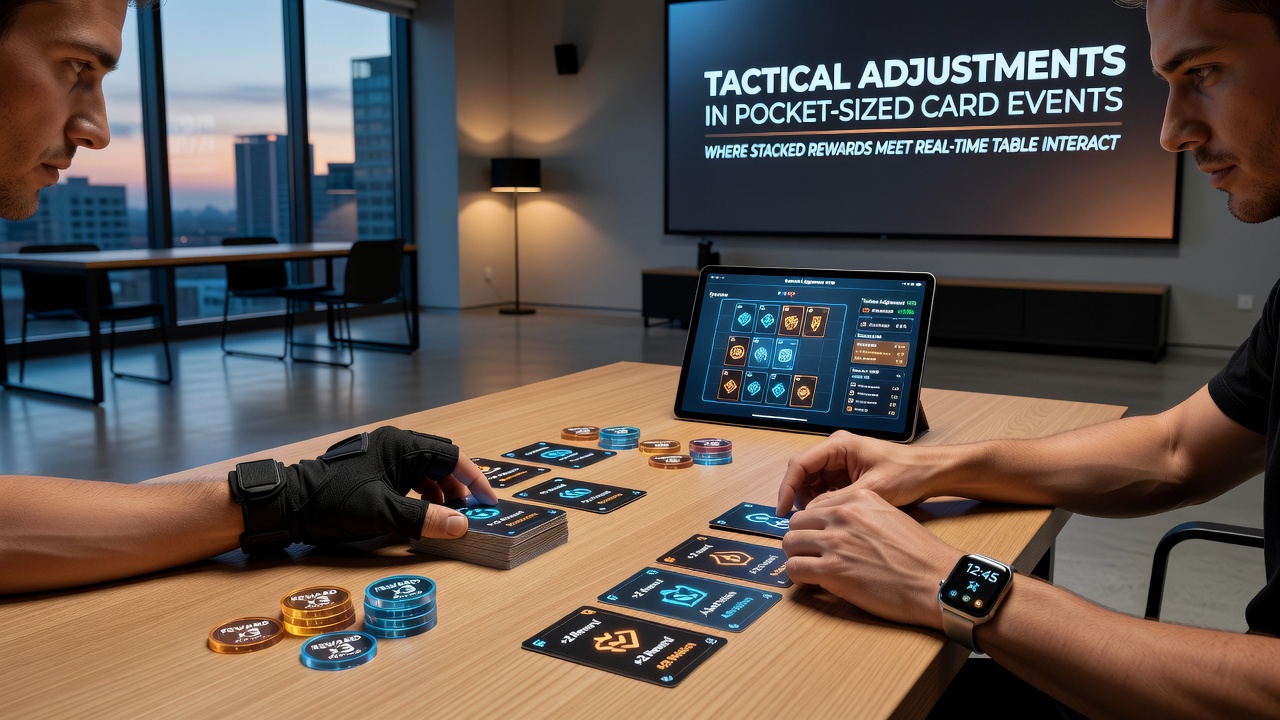
Canadian Gaming Association reports from the same period noted similar trends in North American markets, where mobile users demonstrated higher rates of early all-in moves when daily reward resets approached. The rubber meets the road when a player must decide whether to protect a near-complete streak or risk it for table position, and platform telemetry captures these moments with precision. Observers have also tracked increased use of time-bank extensions during critical reward windows, indicating that participants deliberately slow the pace to align table strategy with bonus conditions.
Platform Features That Influence Tactical Responses
Many applications now embed visual overlays that display reward progress alongside stack sizes and pot odds, allowing seamless integration of incentive data into standard calculations, yet this same visibility can lead to distraction when multiple counters update simultaneously during heated hands. Evidence from session analytics suggests that users who maintain separate mental categories for reward-driven moves versus pure table strategy maintain steadier performance across extended play periods. In September 2026 several platforms introduced enhanced notification controls that let participants filter bonus alerts, and early adoption metrics indicate reduced decision latency for those who activated the filters.
Real-time table interactions compound these effects because opponent chat or emoji reactions can coincide with reward notifications, creating momentary information overload on smaller screens. Studies tracking eye-movement patterns during mobile sessions have shown that attention frequently shifts between the community cards, the chat window, and the reward meter within single betting rounds. Those patterns appear consistent across skill levels, although higher-volume players tend to develop quicker filtering techniques that minimize disruption.
Conclusion
The convergence of stacked rewards and live table dynamics on pocket-sized devices continues to generate measurable changes in how participants approach each hand, and ongoing data collection through 2026 provides clearer pictures of these evolving behaviors. Regulatory bodies and research institutions across multiple regions continue to monitor the intersection, supplying figures that help map the specific adjustments players make when incentives and interactions collide in real time. As platforms refine their interfaces, the tactical landscape will likely shift further, yet the fundamental requirement to balance immediate table demands against accumulating reward conditions remains a defining feature of these events.